
给村里做网站wordpress 非插件代码高亮

以酒为媒,以酒会友。
9月9日,以“展示全球佳酿,促进开放合作”为主题的第12届中国(贵州)国际酒类博览会(以下简称“贵州酒博会”)在贵阳国际会议展览中心重磅开幕,本届贵州酒博会吸引了23个国家和地区近1600家展商参展,规模再创历史新高,国际化水平进一步提升。
作为中国酱酒核心产区茅台镇第二大酿酒企业,国台酒业携旗下产品参展,亮相于贵阳国际会议展览中心2号馆,向更多的国外友人及本土消费者展现国台风采,中国高端白酒的价值风貌,以及中国新名酒的独特魅力。
同时,国台酒业还在展会期间重磅发布新品国台国标·中秋礼酒,该产品与传统中秋文化相结合,从品质到品牌再到精神进行多维度赋能,确立品牌价值与品牌高度,实现强势的品牌效应。

国台国标·中秋礼酒上新
限量佳酿敬献佳节
自2011年首届贵州酒博会举办以来,历经12年发展,贵州酒博会知名度、影响力不断提升,如今已成为具有贵州风格、中国特色、世界水平的国家级、国际性盛会。
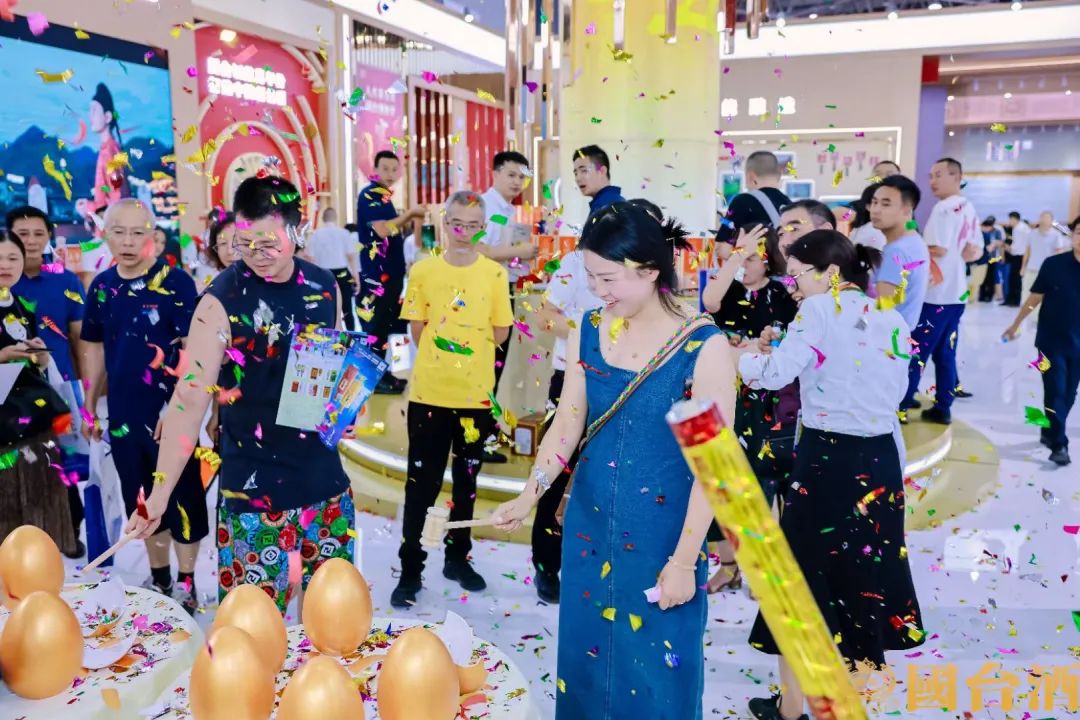
在这场辐射业内外、涵盖国内国际客户的平台上,国台酒业携全线产品参展,其中包括广受市场欢迎的国台国标、国台十五年、国台龙酒、文创系列及其他系列酒产品。多品牌亮相,让国台酒业在本届酒博会上收获了强大品牌声量。
扩大影响力的同时,国台酒业重磅发布的新品国台国标·中秋礼酒,也引来众多消费者和参展商慕名前来咨询与购买。在酒博会国台展厅现场,长江酒道看到许多消费者拿起国台国标·中秋礼酒爱不释手,品饮之后连连点头,更有消费者一口气购买了5箱中秋礼酒。
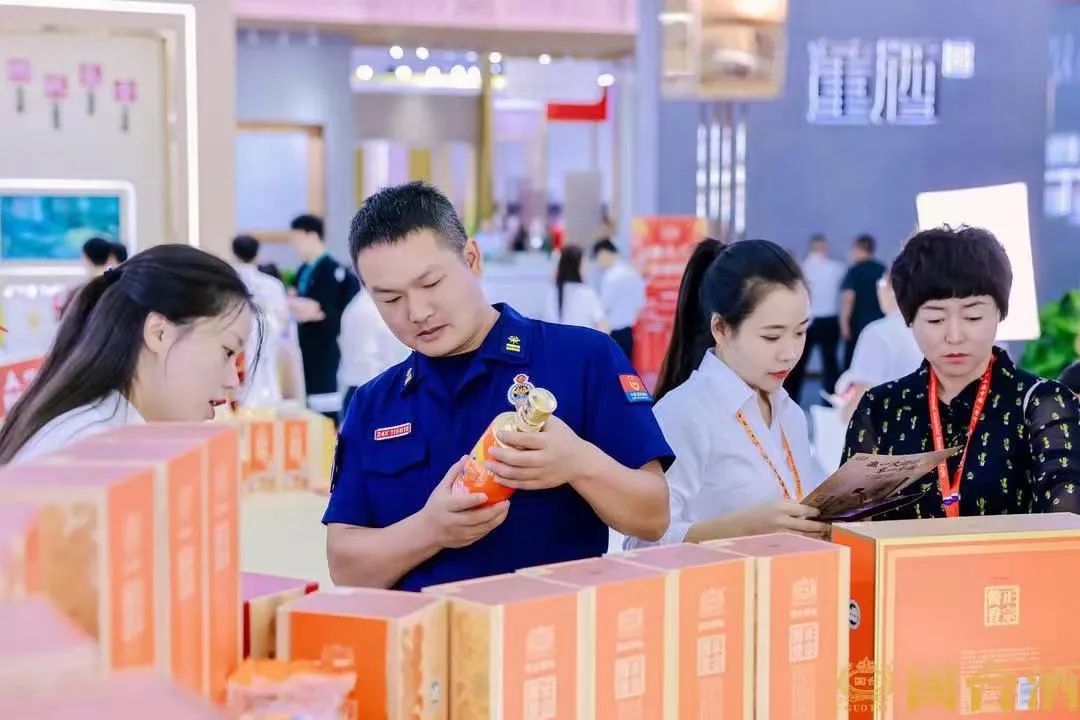
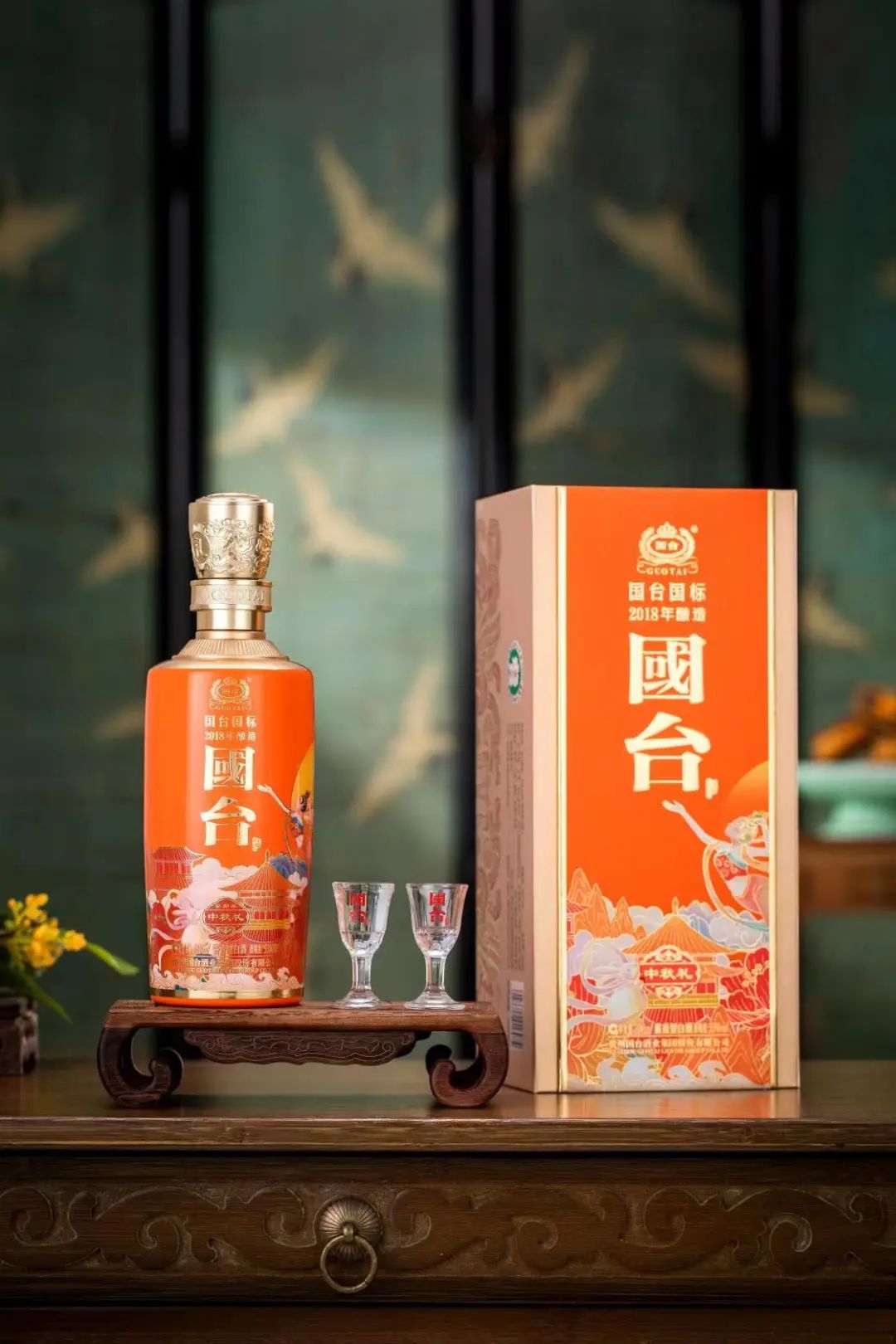
国台国标·中秋礼酒设计灵感来源于中国的传统佳节——中秋节,该产品传承国台国标的经典器型,瓶身以金秋色为主色调,呈现秋天收获之丰盛,其色调极容易产生强烈的视觉冲击,让人看后印象深刻。
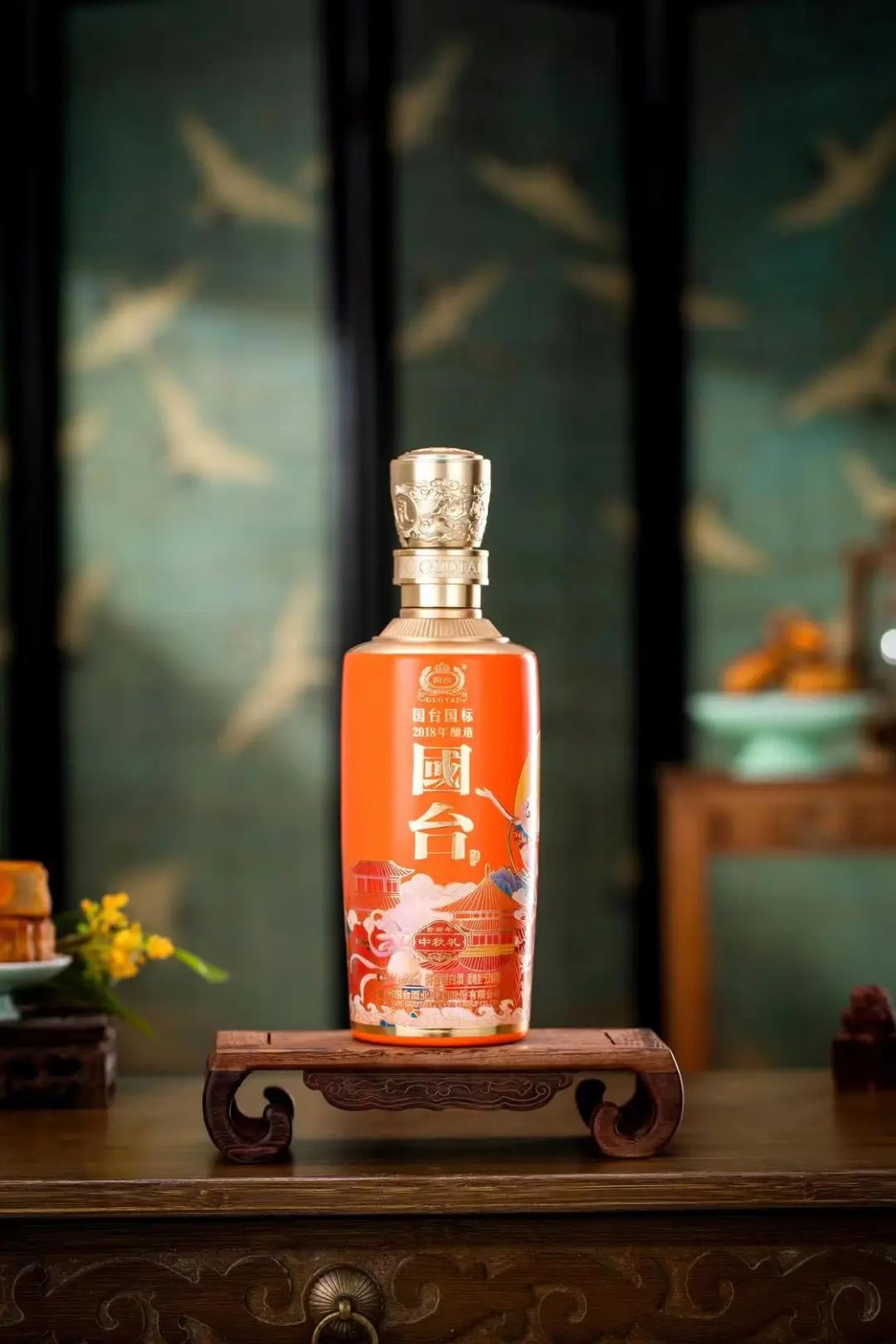
瓶身画面设计了一轮圆月越过山川、弯弯角楼冉冉升起、婀娜的嫦娥与灵动的月兔跃然于祥云之上等极具传统中华文化的元素,也象征着无论身处何地,也要与家人、朋友共度团圆佳节的深远寄意。
同时,国台酒贴心服务消费者,还推出了国台国标·中秋礼酒礼盒装,采用双开门双支礼盒,寓意好事成双,彰显仪式感与圆满祝愿。
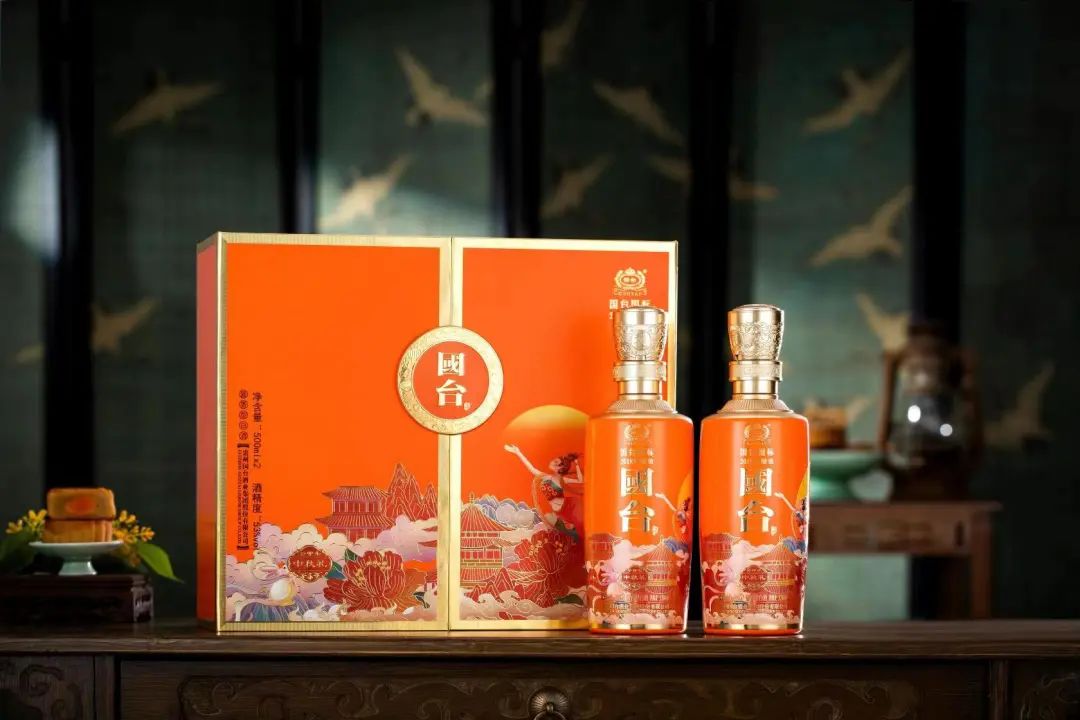
无论是产品定位还是设计定位,国台国标·中秋礼酒都完美地体现出中秋文化之道,描绘出极富中华传统文化色彩、生动盎然的中秋画卷,呈现出“天涯共此时“的文化情怀以及和谐美满的中秋节日氛围。
能够将团圆、团聚等情感元素融入到一瓶美酒中,还彰显出不可复制的专属感和尊享感,成为国台国标·中秋礼酒在贵州酒博会快速引发关注的重要原因。也正因如此,酒博会期间,国台国标·中秋礼酒荣获“2023酒类新品TOP10”荣誉。
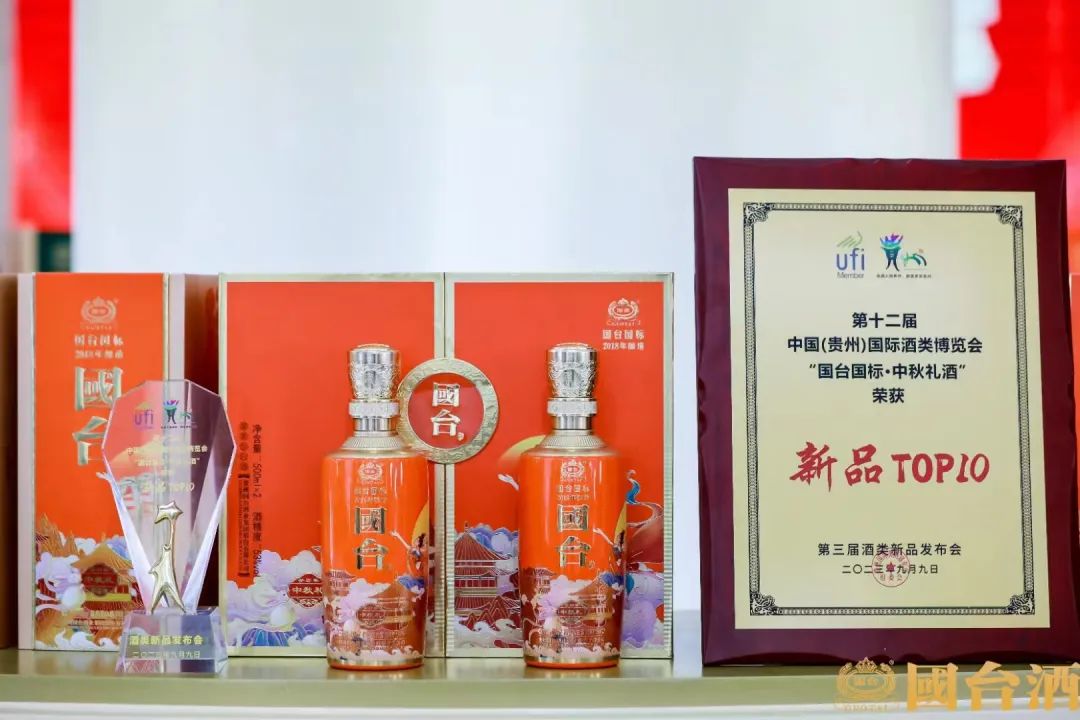
不少业内人士认为,国台国标·中秋礼酒有望成为金秋行业圈中的一支爆款产品。

集品质、品牌、文化于一体
国台国标·中秋礼酒背后的三重底气
为消费者奉献一瓶好喝有面的酒,为经销商提供一瓶好卖赚钱的酒。国台国标·中秋礼酒的上新,是国台酒对这一承诺的有力践行。作为国台在中秋时节发布的新品,国台国标·中秋礼酒自然备受关注,其根源在于国台背后的三重底气。
第一是品质底气。基因决定品质,国台始终坚持“四个正宗”——产地正宗、原料正宗、工艺正宗和品质正宗,坚定不移地走品质引领的高质量发展之路。国台国标,真实年份,品质诚信,已经在消费者心中形成绑定,为国台酒在市场上赢得良好口碑。
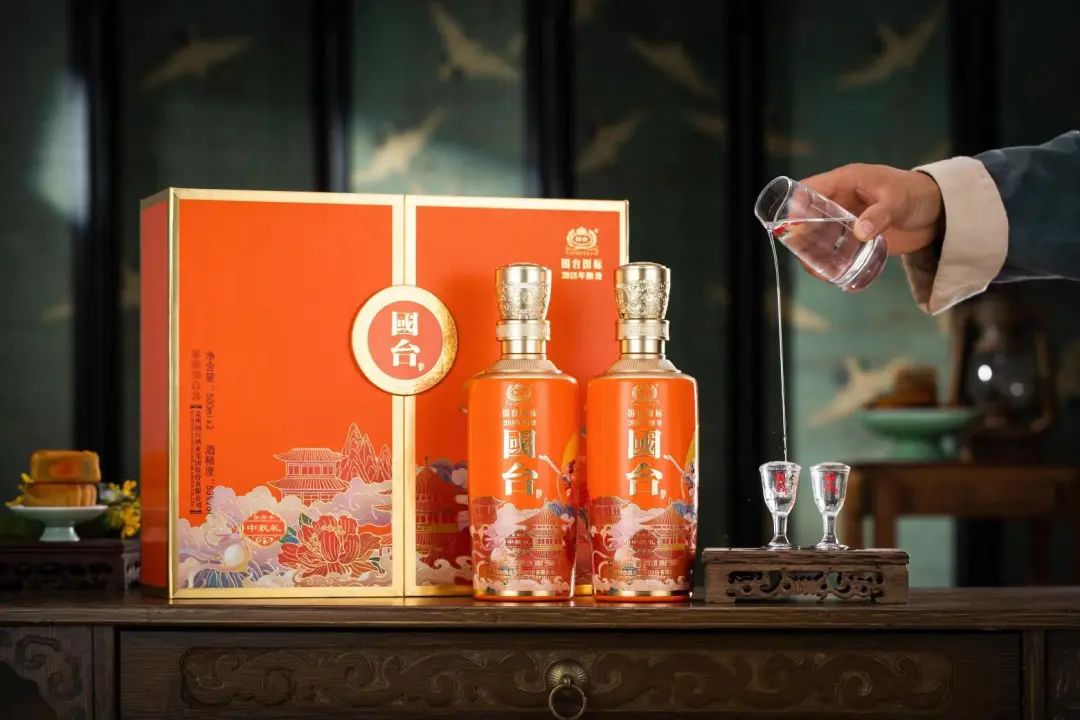
国台国标·中秋礼酒本身就延承国台标准酒体,经历1年陈酿、3年陶藏、1年涵养,每一瓶瓶身都标注酿造年份,是满5年的真实年份酒,其酒体观之微黄透明,闻之酱香突出、品之醇柔协调、悟之大曲酱香型白酒风格典型。
第二是品牌底气。扎根茅台镇20多年是国台的竞争底气,茅台镇第二大酱酒酿酒企业的规模优势是国台重要的竞争优势。2022年,国台品牌价值再创新高,达1515.5亿元,位列中国白酒第十、贵州白酒第三。
第三是市场底气。得益于品牌的不断稳固,国台对市场也越来越重视。2022年国台拓展名烟名酒店等有效核心终端5万家、进宴席13.7万桌、进企业超4000家,规模品销会超2000场、小型高端品销会4.6万桌,国台消费者培育逆势上扬,动销率、开瓶率大幅提升。今年随着消费场景复苏,宴席市场也迎来爆发,国台在今年计划开展宴席3万场、50万桌,覆盖500万人。
有业内人士分析,随着中秋国庆的来临,白酒消费即将迎来小高潮,结合文化与情感于一体的国台国标·中秋礼酒在酒博会上亮相,一方面能借助大平台迅速将品牌推广而出,另一方面传统佳节临近,具有文化、品质、品牌于一体的的产品更受市场欢迎。